Non-Calcific Shoulder Tendinopathy
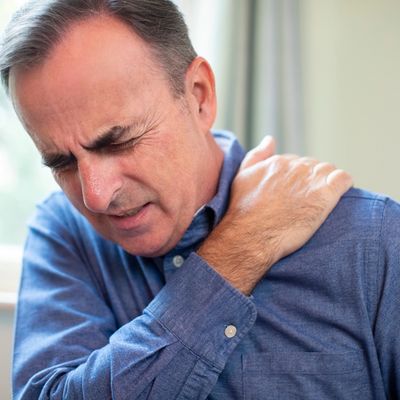
Persistent shoulder ache, pain lifting your arm, or disrupted sleep?
Non-calcific shoulder tendinopathy is the most common form of rotator cuff pain, and it ranges from early reactive irritation through to more advanced degenerative change - sometimes with partial tearing. The treatment approach differs significantly depending on what’s actually going on, which is why we use diagnostic ultrasound as part of every assessment. Treating without imaging is guesswork.
What is non-calcific shoulder tendinopathy?
Non-calcific shoulder tendinopathy refers to pain and dysfunction arising from the rotator cuff tendons in the absence of calcium deposits. The rotator cuff comprises four muscles and their tendons - supraspinatus, infraspinatus, teres minor, and subscapularis, which work together to stabilise the shoulder and allow a wide range of arm movement.
The most commonly affected tendon is the supraspinatus. Changes within the tendon can range from early reactive tendinopathy through to more advanced degenerative change, sometimes with partial or full-thickness tearing. Treatment approach and expected recovery differ depending on the nature and extent of the changes, making accurate diagnosis important.
Common Symptoms
Symptoms often develop gradually and may fluctuate with activity levels. Common features include:
- Aching pain in the shoulder, particularly around the outer upper arm
- Pain when lifting the arm out to the side or overhead
- A painful arc of movement - pain that begins as the arm is raised and reduces at end of range
- Night pain, particularly when lying on the affected shoulder
- Weakness or reduced confidence when using the shoulder
- Stiffness after periods of inactivity
Symptoms can significantly affect daily activities, sleep quality, and participation in sport or work.
Who does it commonly affect?
Rotator cuff tendinopathy is extremely common and can affect a wide range of people. It is particularly associated with:
- People over 40, in whom degenerative changes become more prevalent
- Those who carry out repetitive overhead or shoulder-level tasks at work or in sport
- Athletes in swimming, throwing sports, tennis, and racket sports
- People with altered shoulder biomechanics or reduced rotator cuff control
- Those who have experienced a significant increase in shoulder loading
It is also frequently associated with reduced thoracic mobility, weakness in the periscapular muscles, and altered movement patterns.
How is non-calcific shoulder tendinopathy usually treated?
Conservative management is appropriate for the majority of cases, particularly when treatment is suited to the stage and nature of the tendinopathy. Key components include:
- Avoiding or reducing the activities that aggravate your shoulder while rehabilitation begins
- Progressive rotator cuff and periscapular strengthening exercises
- Improving thoracic mobility and scapular control where these are contributing
- Manual therapy to the shoulder, cervical spine, and thoracic spine
- Posture and ergonomic assessment where relevant
For more persistent cases, or where degenerative change is more advanced, focused shockwave therapy can be used as part of a structured care pathway alongside rehabilitation. Focused shockwave therapy is more comfortable than radial shockwave therapy and typically requires fewer sessions.
Why our approach is different?
Shoulder pain is common, but the causes are varied. At Tenby Health & West Wales Ultrasound, we use diagnostic ultrasound as part of our clinical assessment to distinguish between different types of rotator cuff pathology including tendinopathy, partial tears, and full-thickness tears - and to identify any associated bursitis or bicipital tendon changes. This ensures that treatment is appropriate and well-targeted.
Our integrated approach includes:
- Clinical assessment and diagnostic ultrasound imaging
- Focused shockwave therapy for suitable cases
- Supervised rehabilitation targeting rotator cuff strength, scapular control, and shoulder mechanics
- Clear explanation of the diagnosis, findings, and expected recovery timeline
- Referral to an appropriate specialist where further intervention may be needed
What to do next
If shoulder pain is affecting your daily life, the most important first step is a proper assessment.
Book a new patient consultation (£65) and we’ll assess your symptoms, confirm the diagnosis, and explain your options clearly - whether that’s shockwave, rehabilitation, diagnostic ultrasound, or a combination. Most people leave their first appointment knowing what’s going on for the first time.
View our pricing and packages: tenbyhealth.co.uk/pricing-and-cancellations
Related Pages: Focused Shockwave Therapy | Shoulder Ultrasound Scan | Calcific Tendinopathy | Tendon Pain & Injuries