Rotator Cuff Injuries, Tenby, Pembrokeshire
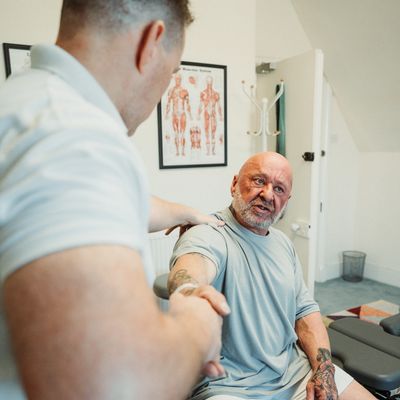
Understanding Rotator Cuff Injuries
Rotator cuff injuries are among the most common causes of shoulder pain.
The rotator cuff consists of four muscles and their tendons which help stabilise and move the shoulder joint.
Problems range from tendinopathy and partial tears through to full-thickness tears.
Diagnosis-led Care
We take an assessment-led approach.
Every appointment begins with understanding your symptoms and identifying the most likely cause of your pain.
Depending on your symptoms, this may involve a detailed clinical assessment, diagnostic ultrasound where appropriate, and a clear explanation of your diagnosis and treatment options.
We Can Help With:
- Pain lifting the arm
- Pain reaching overhead or behind the back
- Night pain
- Weakness in the shoulder
- Pain lying on the affected shoulder
Types of Rotator Cuff Problems
Tendinopathy
Degeneration or irritation of the tendon without a tear. Often responds well to rehabilitation and shockwave therapy.
Partial tear
A tear affecting part of the tendon thickness. Management depends on the size and location of the tear.
Full-thickness tear
A complete tear through the tendon. May be managed conservatively or surgically depending on severity and function.
Calcific tendinopathy
Calcium deposits within the rotator cuff causing significant, often acute, pain. Focused shockwave therapy has excellent evidence for this condition.
Bursitis
Inflammation of the bursa, often occurring alongside tendon problems.
How We Diagnose Rotator Cuff Injuries & Tendon Problems
Accurate diagnosis is essential because different rotator cuff problems require different management approaches.
Diagnostic musculoskeletal ultrasound allows us to assess:
- Tendon quality and integrity
- Partial and full-thickness tears
- Calcific deposits
- Bursa inflammation
Ultrasound provides real-time, detailed imaging of the rotator cuff tendons and can often confirm the diagnosis in the same appointment.
Treatment Options
Depending on findings, treatment may include:
- Rehabilitation exercise targeting rotator cuff strength and shoulder mechanics
- Load management advice
- Focused shockwave therapy for tendinopathy and calcific deposits
- Chiropractic care and manual therapy
- Referral for MRI or surgical opinion where appropriate
Why Choose Tenby Health?
- Diagnosis-led care - we focus on understanding the cause of your pain before recommending treatment. Where appropriate, diagnostic musculoskeletal ultrasound can be used to provide additional detail.
- West Wales' specialty clinic combining diagnostic ultrasound, focused and radial shockwave therapy, manual therapy and rehabilitation under one roof.
- Evidence-based treatment - guided by current research, relevant professional guidance and your individual clinical findings.
- Tailored plans - your treatment is specific to your diagnosis, your goals and your lifestyle.
- Qualified MSK sonographer - Ben holds a Postgraduate Certificate in Musculoskeletal Medical Ultrasound with distinction.
- No long waits - appointments usually available within days. No referral needed.
- Serving West Wales - supporting patients across Pembrokeshire, Carmarthenshire and Ceredigion.
What to do next
If this is affecting your daily life, the most important first step is an accurate assessment.
Book a new patient consultation (£65) and your clinician will assess you thoroughly, explain clearly what is causing your symptoms and discuss all your options.
No referral is needed. Appointments are usually available within days.
If a diagnostic ultrasound scan is appropriate, it can usually be carried out in the same appointment for an additional fee of £200.
Most people leave their first appointment with a clear diagnosis and a plan for the first time.